Facebook Isn't Dying, But It's Not What It Used To Be
From 8-Tracks to AOL: What Other Aging Tech Trends Teaches Us About Facebook’s Future
A recent New York Times opinion piece by Julia Angwin put it bluntly: Meta is dying. This spring, in its Q1 financials, the company reported its first-ever decline in daily active usage across its family of apps. Yes, raw user counts are still enormous, and Facebook remains one of the most widely used social platforms in America. But as almost any conversation with a Gen Z or Alpha digital native will confirm, Facebook is clearly starting to show its age.
Meta's Q2 earnings land in a couple of weeks, and a lot of people will be watching to see if the slide continues. But even if it does, there's a long runway between now and AOL-level cultural irrelevance. For now, I'd argue it can still be a valuable part of your communications strategy—as long as it's paired with an intentional engagement plan grounded in a values-based framework that authentically centers your mission, audience, and goals.
Are you getting the engagement (Credit: Unsplash)
Did TV really kill the radio star?
Over the years, I can't count how many times I've heard that email was dead, yet it remains a lifeline for mission-driven organizations and political campaigns. Similarly, TV may have killed the radio, but audio journalism and entertainment still commands incredible reach. As a podcaster, I’d argue, Joe Rogan's influence within conservative, populist circles today rivals Rush Limbaugh's during his AM radio heyday. Yes, they differ in style and intent. But both wield an outsized influence that shapes how a significant slice of the country thinks and talks about politics and culture.
And while many organizations have gone digital-first, traditional media still has real reach and influence. Trump may lean on social media as his go-to messaging tool, but his administration clearly still tracks what is and isn't making headlines closely. Even Mayor Mamdani, rolling out his first 100 days, chose a sit-down with Meet the Press over relying solely on social media influencers. That tracks with recent research showing local TV news remains where most Americans get their news. So, call me skeptical that Facebook is dying any day soon, even if I largely agree with the broader analysis on Meta.
A ‘LoveHate Thing’
I've joked for years that Mark Zuckerberg and company in many ways had essentially reinvented AOL for a new age—creating a social network that while revolutionary in its nature recycled the same closed ecosystem concept as its ultimate core vision. That's not to diminish the Facebook’s tremendous reach and impact. But for someone who lived through the dial-up era, it was hard to see the vision of an enormous closed, proprietary do-everything platform as either sustainable or particularly visionary.

Sunrise, Sunset (Credit: Unsplash)
I also have long harbored personal and professional questions about concerns about potential societal harms and externalities that I’d argue Facebook’s creators never anticipated, nor adequately addressed. I don't have space to do that justice here and many others have explored concerns and research raising disturbing questions about the potential impacts of Facebook (and Instagram) on our society and the health of democratic systems around the globe.
That said, I also have to give credit where it's due: Facebook transformed digital communications. It’s helped connect people in times of crisis and has been a vital tool for countless communications professionals, advocates, and organizers at mission-driven organizations—myself included.
When a major wildfire sprung up over the 2017 Labor Day weekend in Columbia Gorge, endangering communities in Oregon and Washington alike, Facebook was vital in the rapid response communications campaign my team launched. Our Facebook page was essential in quickly resharing breaking news, combating misinformation in a rapidly evolving situation, and amplifying press coverage of our crowdfunding campaign for local first responders working to rescue 150 trapped hikers on the Eagle Creek trail.
It also anchored our social media efforts and provided a key second front to our media engagement and email activation efforts, creating an interactive virtual place where people could not just consume information but also share and express their emotions (in a responsible, moderated forum) at a violate time. And the public response we saw from our combined old-media/social media rapid response campaign was tremendous, doubling the organization's all-time Facebook followers in under five days with remarkable engagement to match. This would multiply the reach and impact of later phases of our fire response efforts, such as when we partnered with Alpha Media and local community leaders to launch an updated “Show the Gorge Some Love” public service campaign.
Taking a step back to move forward
When Angwin's article was first published, it sparked plenty of debate online. With Q2 now just days from closing, time will tell whether we see a continued slide in engagement or other metrics across Facebook and other Meta properties. But whether or not you agree with Angwin's premise that Meta has officially entered its "zombie [technology] era," the evidence is fairly convincing that Facebook's days atop the social media ecosystem are numbered.
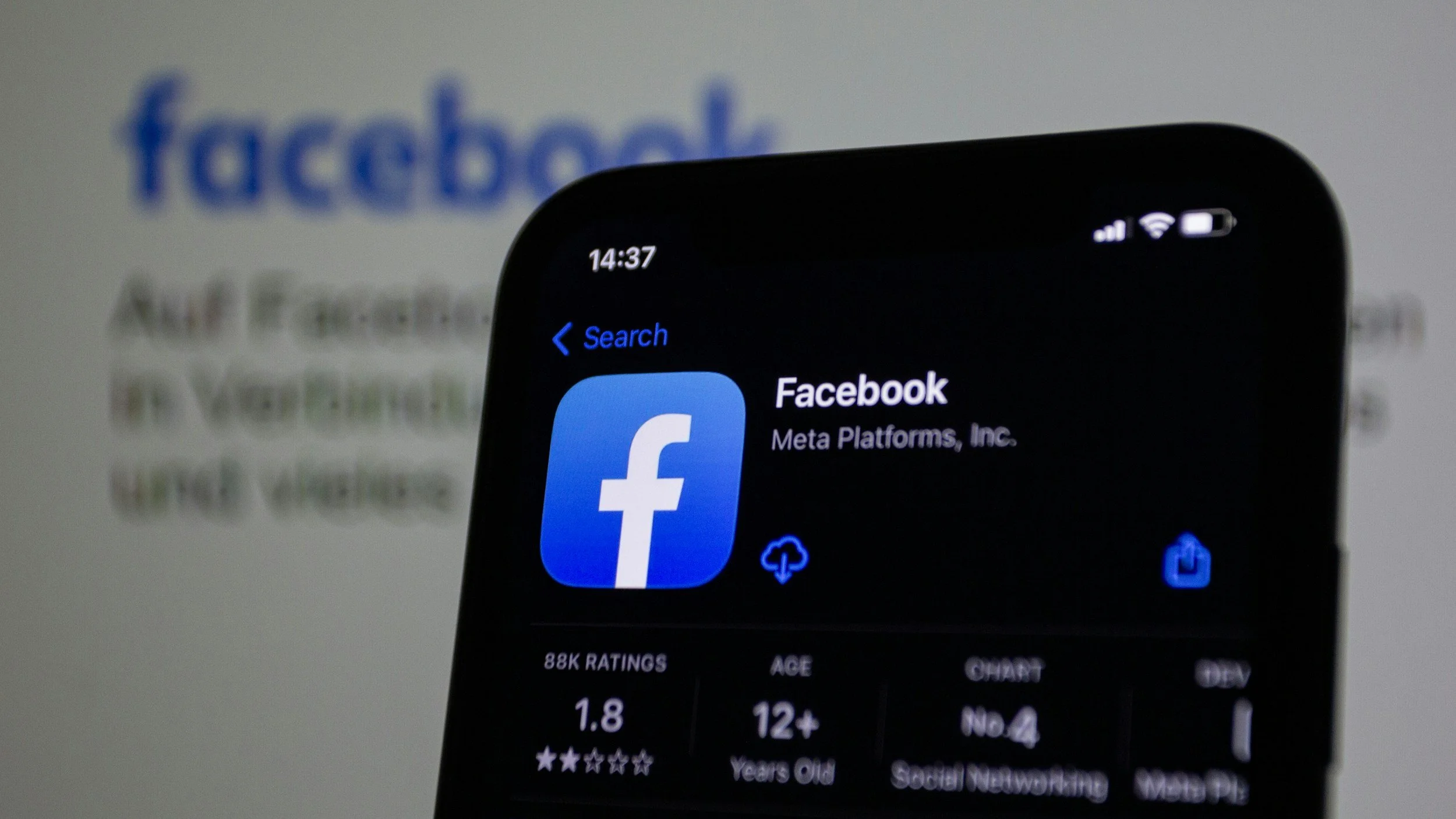
Is Facebook still the go-to app for you or your friends? (Credit: Unsplash)
To be clear, I'm not suggesting you or your organization should abandon Facebook, or that it's headed for obsolescence anytime soon. Instead, I'm arguing that the recently reported slide in engagement reinforces a general truism about aging technologies: like any platform pushing 20-plus years, Facebook just isn't the central social media tool it used to be. And it's worth taking a clear-eyed look—as part of your annual strategy planning—at how Facebook's usage is shifting, and what that means for your communications needs and engagement goals.
To guide that discussion, I'd suggest a strategy and decision-making framework grounded in your values—one that centers who your audience is and how they like to connect, looks at your engagement data to see how your content (organic and paid) is or isn't landing, and ties back to your communications goals and mission. As part of that conversation, the following questions can help chart a path forward, whether that means staying the course on Facebook, starting a pivot, or trying something new:
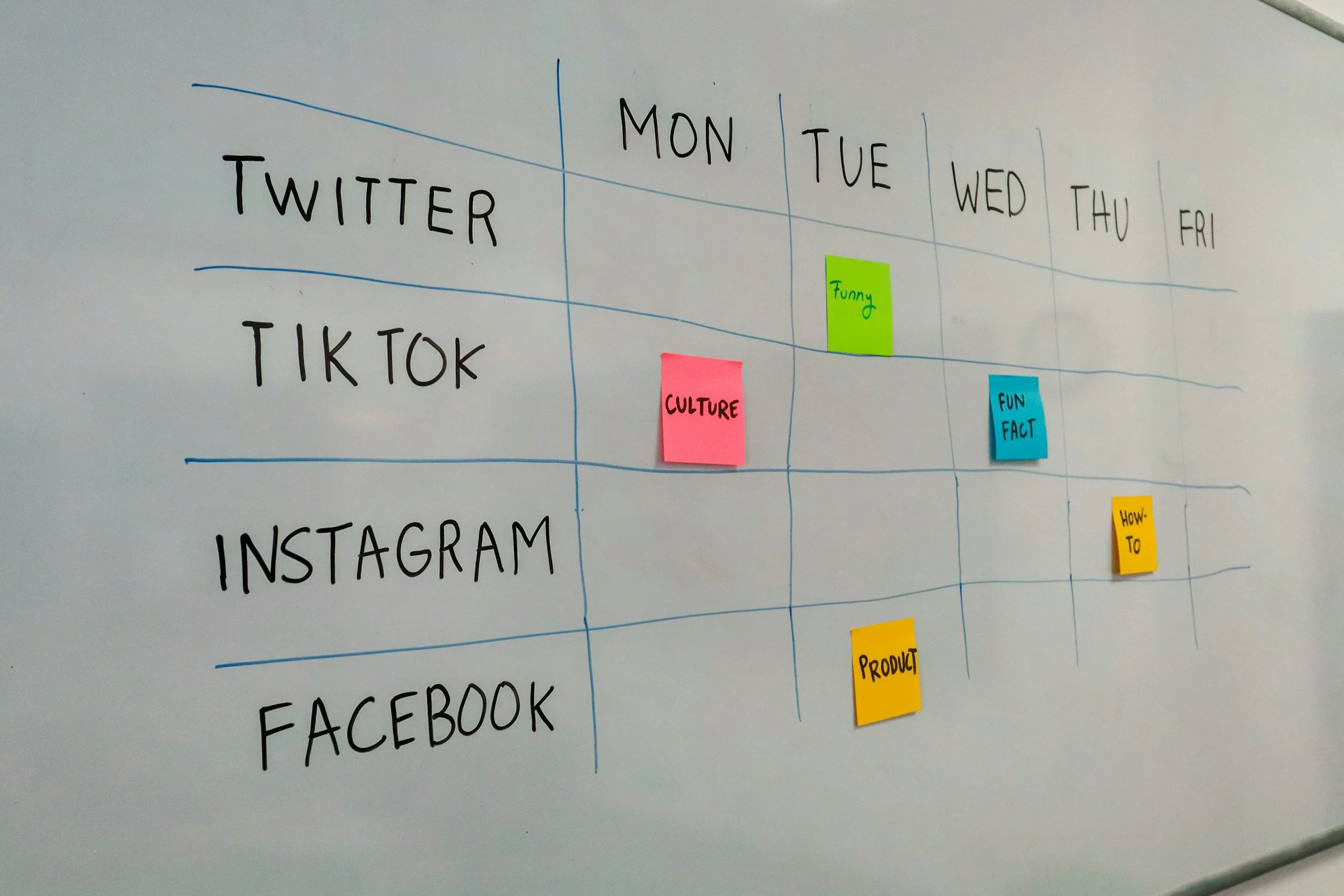
Can you map out your social media strategy? (Credit: Unsplash)
A. Do you have a clear reason for using Facebook over any other social media channel, and is that strategy demonstrating real impact or value?That reason should be grounded in a well-defined sense of your audience, an understanding of where you can constructively engage them, and a concrete goal—retaining current audiences, growing your reach, or educating people who need information or a nudge—balanced against short- and long-term costs.
B. Does your Facebook strategy genuinely align with your organization's values, mission, and vision—and do staff and leadership agree on that?How, when, and what you communicate should operationalize your values, as actions speak louder than even the cleverest messaging. It’s also to remember that staff and volunteer time is also at a premium, even for larger mission-driven organizations with larger communications teams or consultants at hand. If Facebook or any other channel no longer reflects who you are or how you connect with your audience, don't be afraid to make a change. Plenty of organizations have already stepped away from Twitter, and I know of several large organizations that made the brave call to step back from Facebook (and Instagram) over concerns about Meta’s impacts or policies.
C. If you're making a change or trying something new, do you have a system that rewards creativity and calculated risk-taking, and sets realistic, measurable goals for Facebook within your broader social media and communications strategy? That decision-making should balance emotion and information, values and facts—including an honest look at whether your investment of time, energy, and resources is producing demonstrable results.

Mid-year is a great time to step back and take a look at your social media strategy. (Credit: Unsplash)
Back to the future
I fondly remember helping my mom tape her favorite songs off the radio during the end-of-year countdown, using our top-of-the-line eight-track stereo system. Mom kept a running list of songs she wanted for the mix tape and served as supervising producer. My job was to hit record when she gave the signal. She also took some of my song suggestions, always happy to encourage a little entrepreneurial spirit.
I remember one year, during our usual prep session, mom was laying out the hits she was looking to catch, but she also paused to note that maybe next year we'd do something different. Partly it was a nod to the changing tides in Top 40, drifting away from the bands and songs she liked. Partly it was a nod to the fact that technology (and certain car and stereo makers) had moved on from eight-track, and it wasn't the best way to record music we'd actually want to listen back to. But mostly, she said, it was a nod to the fact that I was getting older, and that taping the Top 40 countdown with mom might not be how I'd want to spend New Year's Eve much longer.
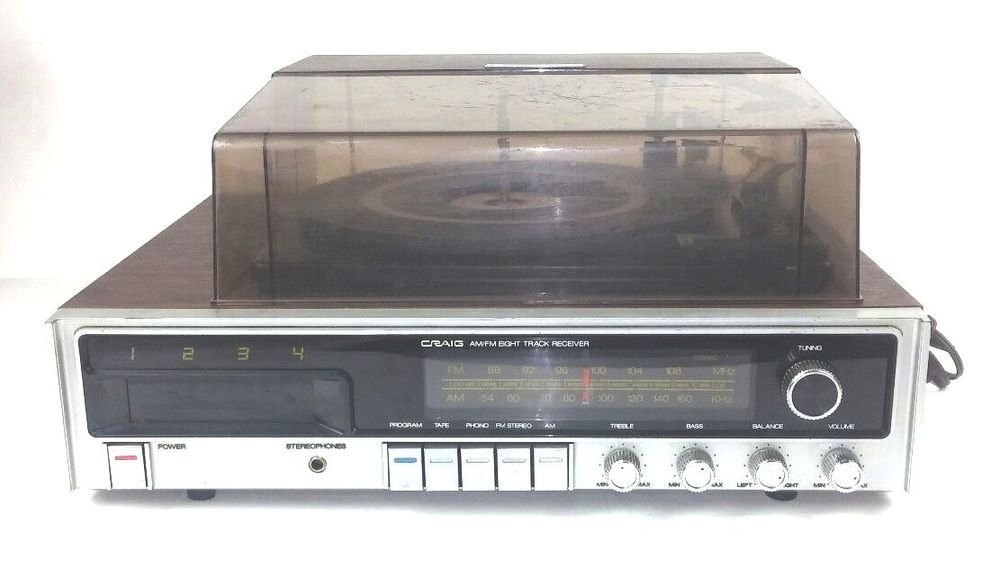
A ‘60s-70’s “state-of-the-art” (aka classic) stereo and 8-track tape recorder. (Credit: Wikimedia)
Technology changes, often faster than any of us can track. Facebook may have many years—or even decades—ahead of it. But it ultimately won't escape the fate of AOL, eight-track tapes, or any number of other technologies, as time marches on.
Looking back now, I realize those New Year's Eves with mom and our old eight-track system were some of the best of my childhood—even though her predictions about change proved right on all three counts. What hasn't changed, though, is the value of having a clear, intentional framework for navigating change—one that guided what to record, what to skip, and when to hit pause. That's exactly the kind of framework you should use to decide whether to stop, stay, or lean in on Facebook (and other social media platforms) as it ages and new tools come online.
Burt Edwards has been editing and writing blogs longer than he’d care to admit and is managing editor for Evergreen Insight’s Issues & Insights blog. In his free time, he enjoys reading other blogs and articles online, listening to comedy podcasts, and exploring new restaurants and coffee shops around the PNW